
About the Authors

We're Tom (33) and Sophie (31) — a Bath couple who launched BabyMade after becoming first-time parents to Freddie. Sophie's midwifery background and our shared obsession with finding genuinely good baby products turned into this blog. We write everything we wish we'd had when Freddie arrived.
Disclosure: This article contains affiliate links. If you buy through our links, we may earn a small commission at no extra cost to you. We only recommend products we genuinely rate.
When Freddie was born, Sophie came home from the hospital with a very specific list of things she wanted for bath time. As a midwife, she'd recommended Cetaphil baby wash to dozens of parents over the years — so it was one of the first things that went into the online shopping basket before we'd even left the ward. We've been using it ever since, and we've tried a fair few alternatives along the way.
Here's the honest version. Not the marketing copy. Not a list of ingredients we've copied from the back of the bottle. Just what it's actually like to use Cetaphil baby wash on a real baby, what it does well, where it falls short, and whether it's worth the price compared to the alternatives you'll find in Boots or on Amazon UK.
What Is Cetaphil Baby Wash?
Cetaphil is a dermatologist-recommended skincare brand that's been around since 1947 — it started as an adult skincare line and expanded into baby products because of how frequently dermatologists were recommending it to parents of babies with sensitive or eczema-prone skin. The baby range now includes a wash and shampoo, daily lotion, bath oil, and a dedicated eczema calming wash.
The headline claims are: free from parabens, mineral oils, colourants and added dyes; hypoallergenic; dermatologist tested; tear-free; pH balanced. All of those things are accurate. What they don't always make as clear is that Cetaphil baby wash is a soap-free cleanser — it cleans without the harsher surfactants found in traditional soap, which is why it's particularly gentle on very new skin.
Why So Many UK Parents Choose Cetaphil Baby Wash for Newborns
Newborn skin is not the same as older baby skin or adult skin. It's thinner, more permeable, and much more easily disrupted by products that strip away the natural oils. The NHS recommends using only plain water to clean a newborn's skin for the first few weeks, and after that, introducing only very gentle, fragrance-free products. Cetaphil baby wash sits firmly in that category.
The reason so many UK parents end up on Cetaphil specifically — rather than one of the dozens of other gentle baby washes available — is usually word of mouth from healthcare professionals. Midwives, health visitors and dermatologists recommend it regularly for babies with dry, sensitive or eczema-prone skin. When a health visitor tells you something works, you tend to trust it more than an advert.
The other reason is consistency. Once you find something that works for your baby's skin, you stick with it. Cetaphil baby wash has been available in the UK long enough that there are parents using it on their second or third child because it worked for their first. That kind of loyalty tells you something.
Cetaphil Baby Wash Review — What We Actually Think
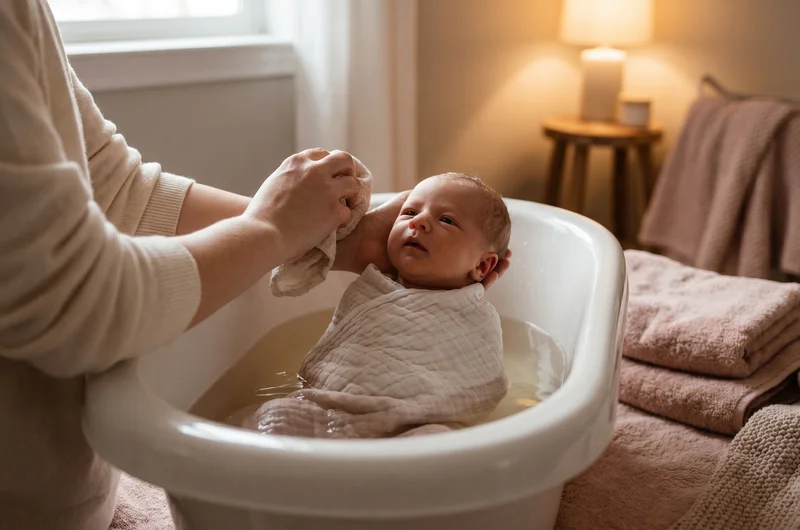
The formula is thin — thinner than most baby washes, which surprises some people. It doesn't lather dramatically and it doesn't smell of much, which is either a selling point or a downside depending on what you're after. If you want that classic sweet baby smell, Cetaphil won't give you that. What it will do is clean effectively without leaving any residue or tightness on the skin.
On Freddie's skin specifically: no reactions, no dryness, no redness. We've always followed the bath immediately with a moisturiser (either the Cetaphil baby lotion or a separate emollient), and his skin has been consistently good. Whether that's the wash or the moisturiser or just his genetics, it's hard to say — but we haven't felt the need to change anything. If you are also looking for something specifically for the face, our review of Sebamed baby facial cream protective care covers the closest facial-specific option we use alongside Cetaphil.
The main criticism we've seen from other parents is the price — Cetaphil baby wash is more expensive per ml than supermarket own-brand alternatives. Whether that premium is justified is a personal call, but from a formulation perspective, it's genuinely one of the cleaner ingredient lists you'll find in a baby wash.
If bath time itself is the bit you're finding stressful — holding a slippery newborn while trying to wash them one-handed — the Angelcare baby bath support is the piece of kit we'd pair Cetaphil with. Soft mesh, fits any UK tub, makes one-person bathing genuinely manageable.
You can compare Cetaphil baby wash prices on Amazon UK — the larger bottles work out significantly better value per ml than the standard size.
Cetaphil Baby Wash for Eczema-Prone & Sensitive Skin
This is where Cetaphil baby wash really earns its reputation. Baby eczema is incredibly common — it affects around 1 in 5 children in the UK at some point — and finding a wash that doesn't trigger flare-ups is genuinely difficult. Most baby washes, even ones marketed as "gentle" or "natural," contain ingredients that can irritate already-compromised skin.
Cetaphil's standard baby wash is free from the most common irritants: no sodium lauryl sulphate (SLS), no fragrances, no parabens. For most babies with mild sensitivity, this is enough. For babies with diagnosed eczema or very reactive skin, the Cetaphil Baby Eczema Calming Wash is worth considering — it contains colloidal oat extract, which has a well-established clinical track record for soothing eczema symptoms.
Important: If your baby has been diagnosed with eczema, always follow the specific advice of your GP or dermatologist. Emollient therapy (applying a prescribed moisturiser to the whole body after every bath) is typically more important for eczema management than which cleanser you use. The wash matters, but the moisturiser matters more.
For bath water temperature with eczema-prone skin: lukewarm is always better than warm or hot. Hot water strips skin oils faster and can trigger flare-ups. Keep baths short — 5–10 minutes — and pat skin dry rather than rubbing.
Browse Cetaphil baby eczema wash on Amazon UK — read the recent reviews to see how other UK parents have found it for their baby's specific skin.
How to Use Cetaphil Baby Wash — Bath Routine Tips
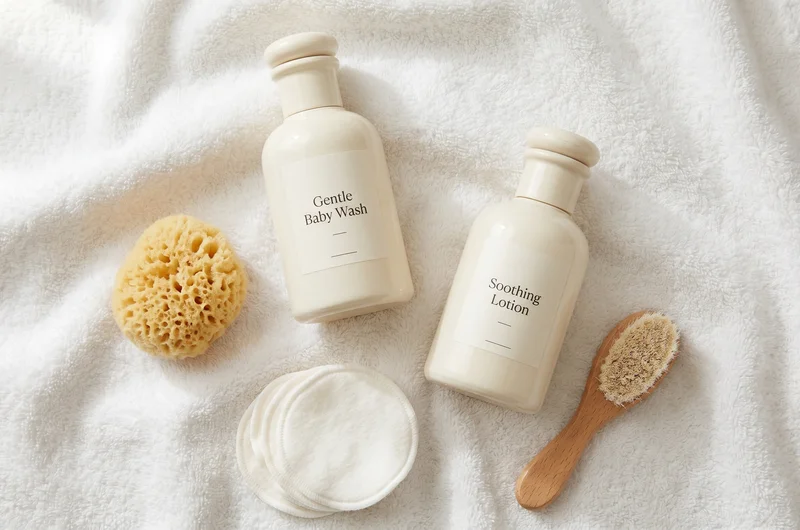
Bath time is one of those things that feels nerve-wracking with a newborn and then becomes second nature very quickly. Here's how we do it, for anyone who's still figuring it out:
- Water temperature: Test with your elbow — it should feel comfortably warm, not hot. The NHS target is around 37–38₀C. For a precise and consistent reading, a baby bath thermometer takes three seconds and removes the guesswork entirely.
- Amount of Cetaphil baby wash: A small amount goes a long way — about a 10p coin-sized squeeze is enough for a full body wash. The formula doesn't lather heavily, so don't be tempted to add more.
- Order: Face first with plain water and a flannel, then hair, then body. Hair last means a shampoo-covered head isn't sitting in the water while you do the rest.
- After the bath: Pat dry (don't rub), then apply your moisturiser of choice within a couple of minutes while the skin is still slightly damp — this is when it absorbs best.
Bath time fits naturally into the baby sleep routine — warm water is genuinely calming for most babies, and the routine signal of the bath is one of the most reliable sleep cues you can build. For more on building a sleep routine that actually works, our full baby sleep guide covers everything from newborn to toddler.
Cetaphil Baby Wash vs Other Baby Washes — How It Compares
There are a lot of baby washes on the UK market, and the honest answer is that several of them are genuinely good. Here's how Cetaphil baby wash stacks up against the alternatives most UK parents compare it to:
- Cetaphil vs Childs Farm: Childs Farm is probably the most popular baby wash in the UK. It smells nicer and is cheaper per ml — but it does contain some fragrance, which makes it slightly less suitable for the most sensitive skin. Both are good; Cetaphil is the better choice for very reactive skin.
- Cetaphil vs Johnson's: Johnson's has reformulated in recent years and is considerably better than the old versions, but Cetaphil's ingredient list is still cleaner. For everyday use on normal skin, Johnson's is fine. For sensitive skin, Cetaphil is the safer choice.
- Cetaphil vs Aveeno Baby: Very similar territory — both dermatologist recommended, both fragrance-free, both good for sensitive skin. Aveeno Baby uses colloidal oats as a key ingredient across most of the range, which some parents find particularly good for dry skin. Try both and see which your baby's skin prefers.
- Cetaphil vs Burt's Bees Baby: Burt's Bees uses more natural ingredients and smells lovely — a good option for parents who prefer natural formulations. Slightly more fragrant than Cetaphil, so marginally less suitable for very reactive skin.
Browse gentle baby wash for sensitive skin on Amazon UK to compare current prices and read real parent reviews side by side.
Other Cetaphil Baby Products Worth Knowing About
If Cetaphil baby wash works for your little one, the rest of the range is worth exploring. The products are designed to work together — same formulation philosophy, same ingredient principles — which means you're unlikely to get a reaction from combining them.
- Cetaphil Baby Daily Lotion: Our go-to for post-bath moisturising. Lightweight, absorbs quickly, no greasy residue. Works well on its own or as a base before a prescribed emollient if your baby has eczema.
- Cetaphil Baby Moisturising Bath Oil: A good addition if your baby has dry or eczema-prone skin — add a few drops to the bath water. Leaves skin feeling soft without making the bath tub a slip hazard (which some bath oils absolutely do).
- Cetaphil Baby Shampoo: If your baby is prone to cradle cap, the standalone shampoo is worth trying — it's gentle enough for daily use without over-drying the scalp, and it's tear-free.
You can browse the full Cetaphil baby range on Amazon UK and often find bundle deals that bring the price per product down significantly.
Is Cetaphil Baby Wash Worth the Price?
If your baby has sensitive skin alongside digestive symptoms — vomiting, reflux, blood in stools — it's worth asking your GP about cow's milk protein allergy. CMPA and eczema often present together, and managing the allergy can improve the skin significantly. Our CMPA baby guide covers signs, diagnosis and formula options in full.
If your baby has normal skin that isn't particularly reactive, there are cheaper baby washes that will do the job perfectly well. Childs Farm, Aveeno Baby and own-brand options from Boots or Sainsbury's are all reasonable choices.
If your baby has sensitive, dry or eczema-prone skin — or if you have a family history of eczema or skin conditions — then yes, Cetaphil baby wash is worth every penny. The ingredient list is one of the cleanest in its category, the dermatologist recommendation is genuine (not just a marketing claim), and it's consistently gentle in a way that some cheaper alternatives aren't.
The other scenario where we'd always recommend it: newborns. For the first 8–12 weeks, when skin is at its most delicate and you genuinely don't know yet how it's going to react to products, starting with something as mild as Cetaphil baby wash is sensible. You can always switch to something cheaper once you know your baby's skin tolerates it — going the other way, from a harsh product to a gentle one, often means waiting for a reaction to calm down first.
If you're putting together a baby essentials kit, pair the Cetaphil baby wash with a good baby feeding setup and the basics covered in our baby clothing guide for soft, skin-friendly fabrics — particularly important for babies with sensitive skin where what's touching the skin matters as much as what's washing it.